Family Tree Research in Hungary: How It Works
Family tree research in Hungary relies on a unique combination of civil records, church registers, archives, and legal regulations. Understanding how these sources work together is essential for successful Hungarian genealogy research.
This page explains the structure of Hungarian family research, what records are available, common challenges researchers face, and when professional assistance can significantly speed up the process.
Historical Challenges
Wars, Occupations, and Lost Archives
Hungary’s turbulent history has left deep scars on record-keeping. Ottoman rule, Habsburg administration, two World Wars, and decades of communist control all contributed to the destruction or displacement of vital documents. Many church registers and civil records were damaged in fires or wars. For this reason, family tree research in Hungary often requires piecing together fragmented information from multiple sources.
The Impact of Border Changes on Genealogical Records
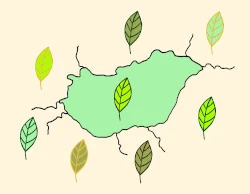
After the Treaty of Trianon in 1920, large parts of the historical Kingdom of Hungary were reassigned to neighbouring countries. This means that genealogy research in Hungary does not always stop at Hungary’s modern borders. Families with Hungarian roots may need to search archives in Slovakia, Romania, Ukraine, or Serbia, adding an extra layer of complexity to their research. Read more about tracing your family history in Slovakia and Romania.
Language Barriers
Latin, German, Hungarian, and Slovak Documents
One of the most common difficulties in Hungarian genealogy is dealing with multiple languages. Parish registers were often written in Latin before the 19th century, whereas German and Hungarian became more prevalent in later periods. In some regions, Slovak or Romanian also appears. Researchers must be prepared to handle this linguistic diversity to make progress in their family tree research in Hungary.
Difficulties with Old Handwriting and Scripts
Even if the language is understood, deciphering old handwriting can be another challenge. Gothic script, cursive styles, and archaic abbreviations make records hard to read. Without experience in palaeography, many beginners struggle to interpret key details, slowing down their work in genealogy research in Hungary. Learn more about how to translate Hungarian genealogy records.
Regional Differences
Variations in Church and Civil Record Keeping
Record keeping in Hungary was not uniform. Some parishes began documenting baptisms and marriages as early as the 1600s, while others started much later. Civil registration of births, marriages, and deaths was only introduced in 1895. As a result, family tree research in Hungary must adapt to regional differences and gaps in coverage. Learn more about church and civil records.
Importance of Civil Registration after 1895
Once civil registration began, the process became more consistent across the country. These records are highly valuable for genealogy research in Hungary, but access may still be limited due to privacy restrictions. Researchers often combine parish and civil records to create a complete family history.
Accessibility and Digitisation Issues
Limited Online Records
Although digitisation projects are ongoing, many Hungarian archives are still not available online. Researchers hoping to complete family tree research in Hungary entirely from abroad often find that essential records require physical access.
On-Site Research in Archives and Parish Offices
For comprehensive results, many must visit county archives, parish offices, or libraries. In some cases, researchers hire local professionals to assist with genealogy research in Hungary, ensuring access to restricted or fragile materials. Learn what records are available online.
Legal and Privacy Restrictions
Time Limits on Accessing Birth, Marriage, and Death Records
Hungarian law restricts access to vital records: birth records are closed for 130 years, marriage records for 86 years, and death records for 30 years. These rules complicate modern family tree research in Hungary, especially for those interested in recent generations.
Alternative Sources for Recent Generations
To overcome these limits, researchers often turn to obituaries, cemetery records, or oral family history. These alternatives can complement official documents and provide crucial leads for research.
Naming Traditions and Genealogical Challenges
Hungarian Naming Order and Cultural Nuances
In Hungary, the family name traditionally comes before the given name. For example, “Kovács János” would appear as “Kovács” (surname) followed by “János” (given name). However, the order of the names usually depends on the language of the registry. Understanding these conventions is essential for successful family tree research in Hungary.
Spelling Variations and Clerical Errors in Records
Names often changed over time or were recorded differently by clerks. A surname could appear in Hungarian, German, or Latin forms depending on the context. Recognising these variations is a key skill in genealogy research in Hungary. Learn more about Hungarian naming traditions.
Cross-Border Issues
Post-Trianon Borders and Neighbouring Archives
Many descendants of Hungarian families must research in archives located outside Hungary today. Slovakia and Romania, in particular, hold a wealth of parish and civil records vital to family tree research in Hungary.
Researching Hungarian Roots Across Multiple Countries
This cross-border nature of research requires flexibility, language skills, and knowledge of multiple archival systems; expanding the search beyond national borders is often essential.
Conclusion – Overcoming Limitations
While family tree research in Hungary is filled with challenges—from lost records and language barriers to border changes and legal restrictions—it remains a deeply rewarding pursuit. By understanding the limitations, using both church and civil records, and exploring archives across Central Europe, researchers can succeed in their research. The effort may be demanding, but the reward of uncovering ancestral stories makes every discovery meaningful.
How professionals approach this type of research
Professional family tree research in Hungary is structured around original archival sources rather than pre-built online trees. Researchers verify each generation using church registers, civil records and archival finding aids, often across multiple locations and time periods. The goal is not speed, but documented and defensible results.
When people usually involve a professional
Hungarian family tree research often becomes complex once archival access, language barriers, or legal restrictions appear. If you would like professional guidance to avoid common pitfalls, learn more about our Hungarian genealogy research services.