Hungarian Surname Genealogy Research
Hungarian surnames can reveal valuable clues about family origins, occupations, and regional roots—but surname research alone is rarely enough to prove lineage.
This page explores how Hungarian surnames developed, what they can and cannot tell you about ancestry, and how genealogical research confirms real family connections beyond name similarity.
The Order of Names in Hungarian Records
Unlike in most Western countries, where the given name comes first and the surname follows, Hungary traditionally places the family name first. For example, Kovács János would be written in English as János Kovács. This reversal can confuse researchers unfamiliar with Hungarian practice, particularly in digitised indexes where the order may be standardised into a Western format.
The problem becomes more complicated when Hungarians emigrate abroad. Their names were often “flipped” by clerks unfamiliar with the Hungarian system. A man recorded in Hungarian registers as Nagy István might appear in American records as Stephen Nagy. For accurate Hungarian surname genealogy research, you must always consider both naming orders when searching databases.
Spelling Changes Over Generations
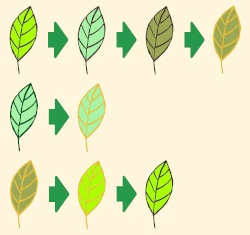
Another key challenge is spelling variation. Over the centuries, surnames changed spelling based on the language, dialect, or the scribe recording the name. Clerks frequently wrote names phonetically, especially in mixed-language regions.
- Kovács → Kovach, Kowatsch, or Kowatz
- Szabó → Szabo (diacritics dropped in non-Hungarian contexts)
- Varga → Warga (reflecting German influence)
Even within the same parish book, the same family might appear with slightly different spellings. Beginners often overlook these variations, missing crucial connections. A good rule in Hungarian surname genealogy research is to always search with multiple spelling options and be flexible with interpretation.
Latin and German Forms of Hungarian Names
For centuries, Hungarian records were not written in Hungarian. Latin was the official administrative language until the mid-19th century, while German dominated in areas under Habsburg influence. This multilingualism created multiple “versions” of the same name.
Examples:
- János Fehér may appear as Johann Weiss in German or Joannes Albus in Latin.
- Péter Nagy might be recorded as Petrus Nagy or Peter Gross depending on the scribe’s preference.
Understanding these translations is crucial. Without recognising that “Schwarz” and “Fekete” both mean “black”, a researcher might miss a direct ancestor.
Common Mistakes in Hungarian Surname Genealogy Research
Even skilled researchers fall into traps when working with Hungarian records. Some of the most frequent mistakes include:
- Misinterpreting name order. Many assume the first word is the given name, when it is usually the surname.
- Ignoring historical spelling changes. Failure to account for phonetic or regional variations can break research continuity.
- Overlooking language transitions. Parish registers may switch from Latin to Hungarian or German within a single decade.
- Confusing nicknames with surnames. Hungarian records sometimes include additional descriptors, such as occupational names or house names, which are not actual surnames.
- Not considering border changes. The same surname might exist in different forms in modern-day Slovakia, Romania, or Serbia, all formerly part of the Kingdom of Hungary.
Avoiding these mistakes requires patience, a willingness to learn palaeography, and consistent cross-checking across multiple sources.
Practical Tips for Overcoming Naming Challenges
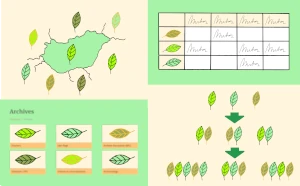
- Make a variant list. Write down every possible spelling and linguistic version of a surname.
- Study language basics. Even minimal knowledge of Latin and German helps interpret registers.
- Use online resources. FamilySearch and Hungaricana provide scanned images where you can see how names evolved.
- Look for context clues. Occupations, house numbers, and godparents can help verify identities when names differ slightly.
- Check surrounding regions. If you cannot find an ancestor in one archive, broaden the search to nearby counties or neighbouring countries.
Conclusion
Hungarian naming conventions create both obstacles and opportunities in genealogical research. The reversed name order, frequent spelling changes, and translations into Latin or German mean that surnames often appear in multiple forms across different records. For those committed to Hungarian surname genealogy research, mastering these nuances is essential.
By learning the conventions, preparing for spelling variations, and avoiding common mistakes, researchers can confidently navigate parish registers, civil records, and archival collections. Finally, understanding naming traditions is not just a technical step—it brings genealogists closer to the true identities and stories of their Hungarian ancestors.
How professionals research surnames
Surname research is grounded in records, not assumptions. Professionals track surname usage across locations and generations, distinguishing between coincidence and genuine family connections.
When surname research stalls
While surname research can offer valuable clues, confirming real family relationships requires documented genealogy research. Expert support can help turn name-based assumptions into verified ancestry.